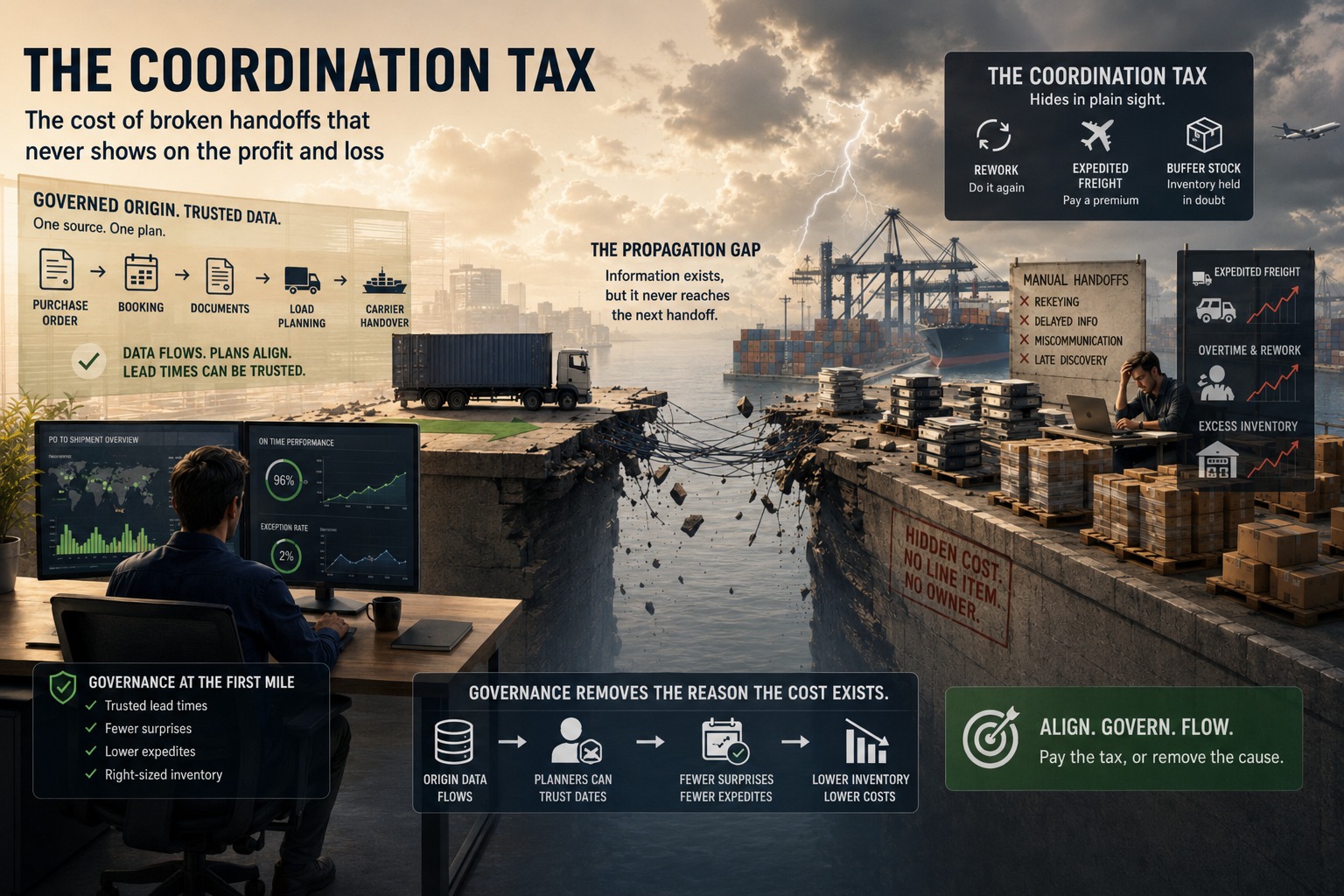


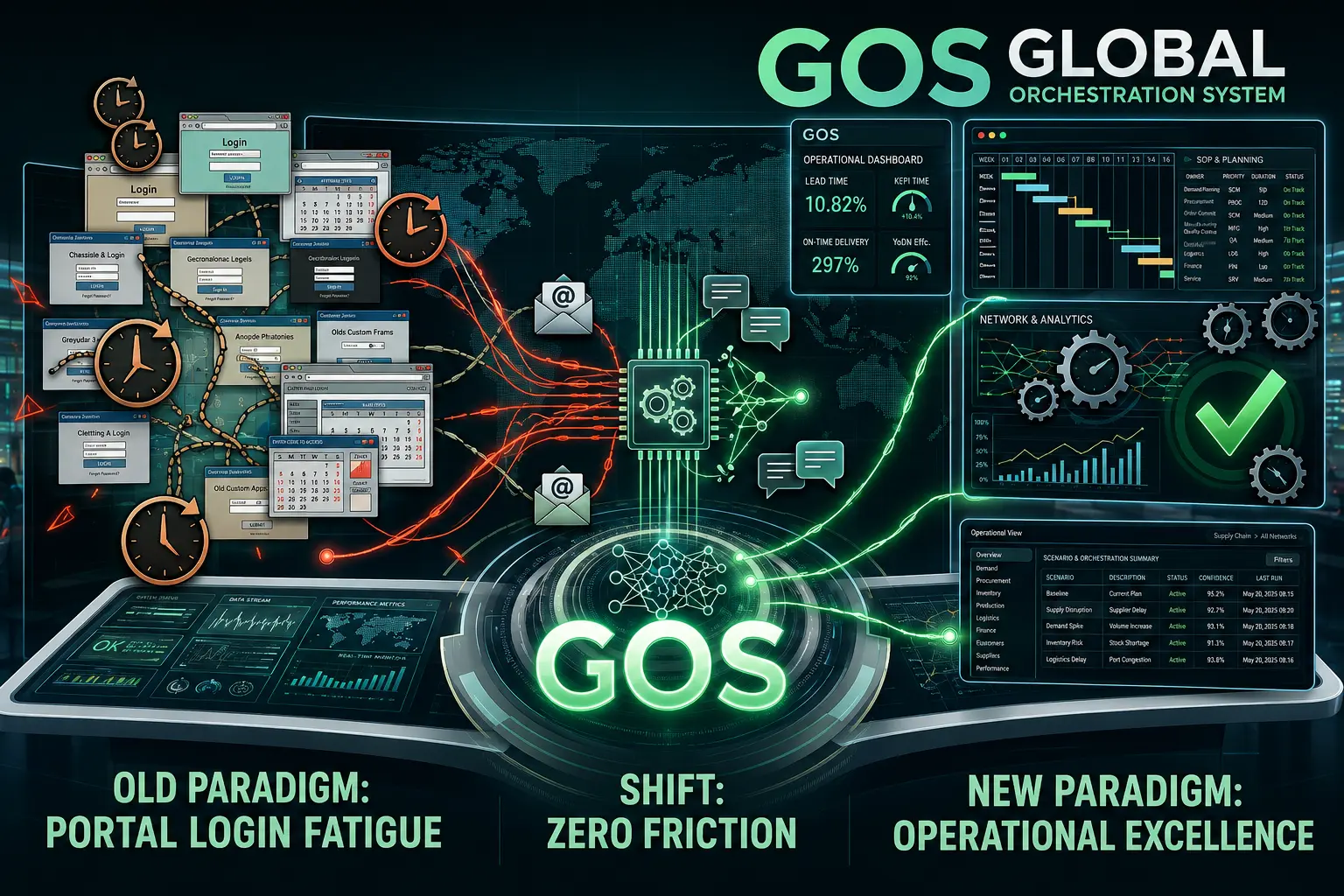
The planning engine is world-class. The data that feeds it is not.
Poor data quality costs organizations an average of 12.9 million dollars a year, by Gartner’s estimate. Most of the companies inside that average spent the same decade buying very good planning systems.
The easy reading is that better planning engines produce better plans, so the next gain lives in the next upgrade: more scenarios, more AI, more resolution. I read it differently. A planning engine computes on what reaches it, and the weakest data reaching most engines today comes from the supplier side of the first mile.
Where the inputs are born
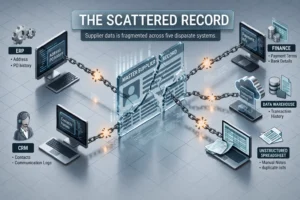
Every plan consumes supplier data: order confirmations, readiness dates, quantity changes, shipping documents. This data is born at origin, in the supplier’s world, and most of it is born unstructured. It arrives as an email, a spreadsheet attachment, a chat message, a scan. Someone reads it, interprets it, and keys it in. IOFM benchmarks manual entry error at 3.6 percent per keying.
The planning engine never sees any of this. It receives a clean number and treats it as current. By the time the plan runs, that number may be three handoffs and two weeks old.
Why AI raises the stakes
The same inputs now feed more than the plan. Analytics and AI use cases are built on supplier data too, and they inherit its condition. A model trained on rekeyed, gap-filled inputs does not correct them. It learns them.
So ambition grows on the analytics side while the input side stays manual, and the gap between engine and inputs widens every year. Upgrading the engine does not close it. Feeding the engine does.
Structure at the source
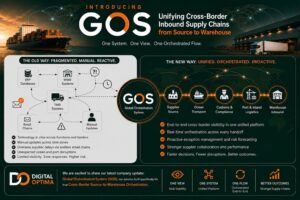
The fix is not another supplier portal. Suppliers push back on portals for good reasons: every customer wants a different one, and every login is unpaid work. The fix is structured capture from the channels suppliers already use, so an emailed confirmation becomes a structured update without anyone retyping it, and the same data reaches planning, analytics, and the shipment record in one movement.
A plan is only as good as the supplier data that reaches it. That sentence belongs above every planning transformation budget.
So before the next upgrade of the engine, one question deserves an honest answer.
Which decision in your last planning cycle ran on a supplier update that never left an inbox?
References
Gartner, “Data Quality: Why It Matters and How to Achieve It,” citing Gartner research (2020) on the average annual cost of poor data quality. https://www.gartner.com/en/data-analytics/topics/data-quality
Resolve, “13 Invoice Processing Stats: Manual vs. Automation,” citing IOFM benchmark data on average manual data entry error rates. https://resolvepay.com/blog/13-statistics-that-quantify-cost-per-invoice-in-manual-vs-automated-flows
Digital Optima, Global Orchestration System (GOS). https://digitaloptima.com/global-orchestration-system/