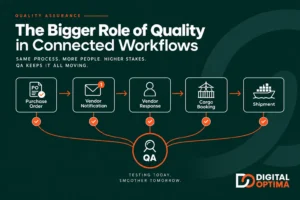


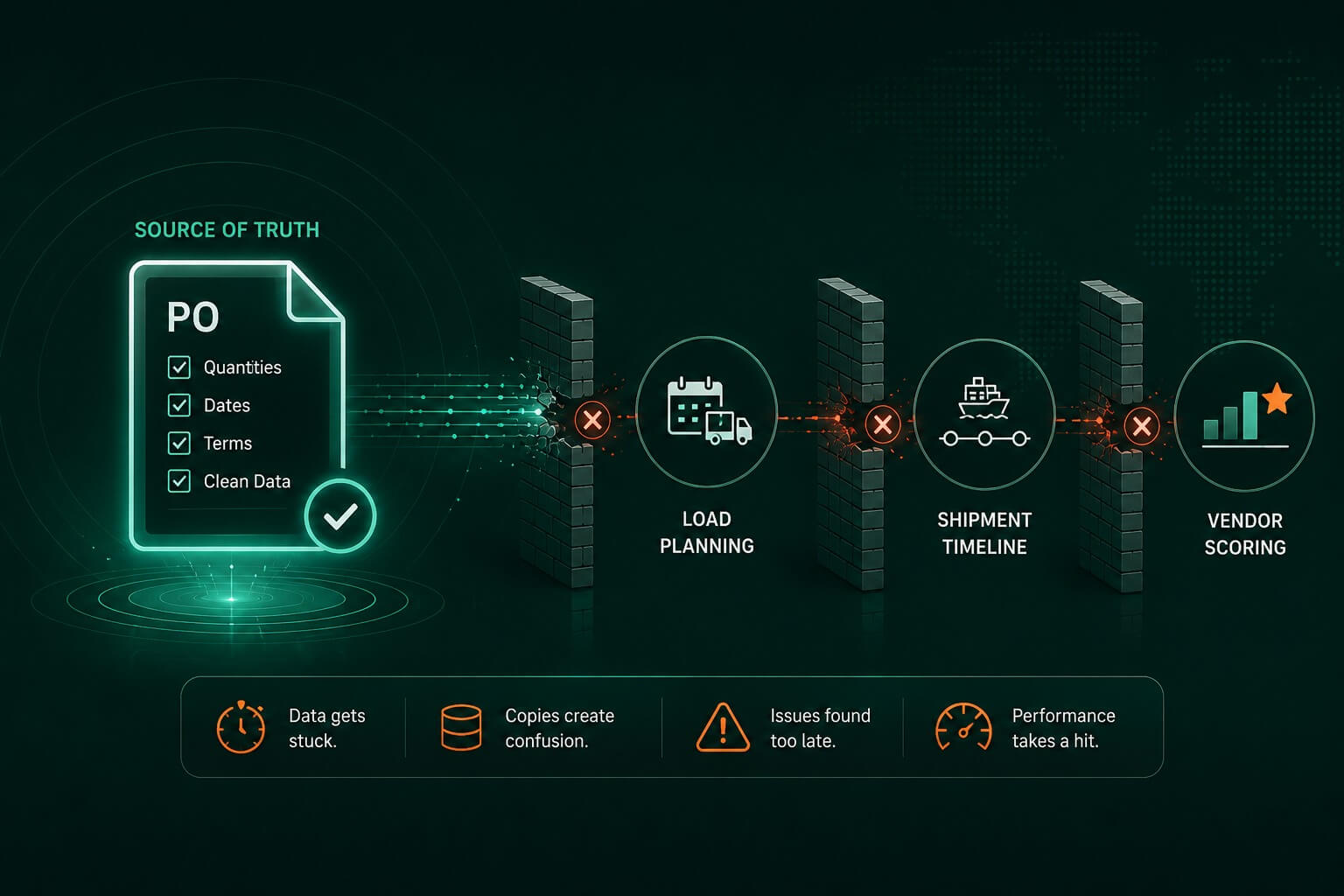
A purchase order is entered once, on day one, and usually entered well. Quantities, dates, terms, clean data, captured at the top. From there, in most supply chains, it stops moving.
The easy reading is that the first mile has a data problem, so the fix is to capture more of it: tighter fields, better templates, another system of record. I read it differently. The data captured at origin is already good. What fails is everything that is supposed to happen to it afterward.
Where the data stops
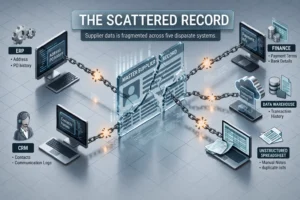
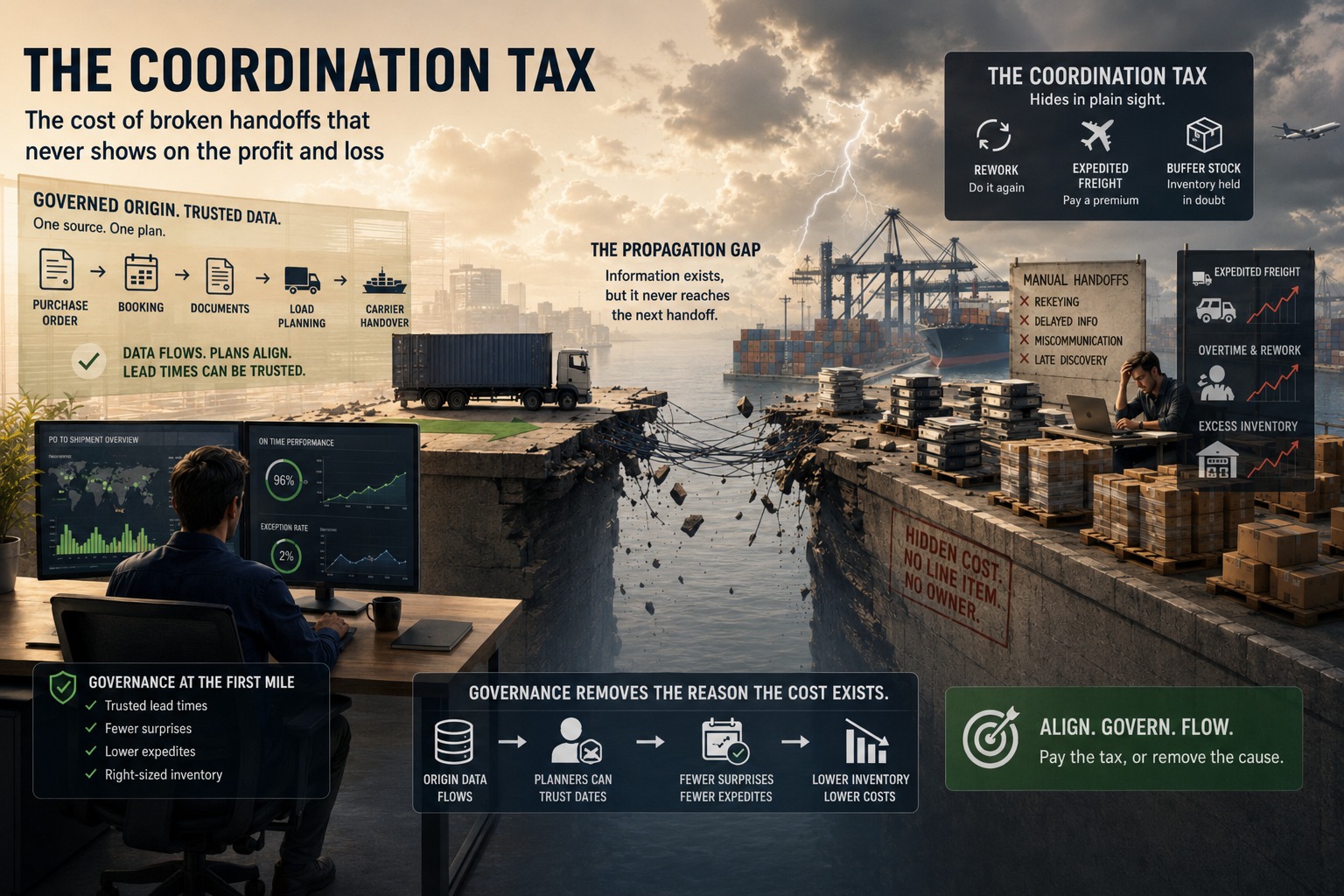
It never reaches load planning. It never reaches the shipment timeline. It never reaches vendor scoring. Each of those functions works from its own copy of the truth, updated on its own schedule, rekeyed by its own team. So teams plan the rest of the journey against numbers that no longer hold, buffers grow to cover the doubt, and variances get explained after the goods have already left.
Call it the propagation gap. The data exists. It simply does not reach the point where the next decision is made.
Why another dashboard does not fix it
This is not a data-capture problem. The facts were captured well, on day one, at the top of the chain. It is a data-movement problem, and every rekey along the way is another chance to get it wrong. IOFM benchmarks the average manual data entry error rate at 3.6 percent. Multiply that across load planning, the shipment timeline, and vendor scoring, and the number a planner is working from by the time a shipment reaches the port has already drifted from the number that was true at origin.
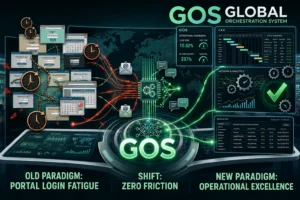
Another dashboard shows you the same stranded data more clearly. It does not carry the data forward, and it does not stop someone from retyping it.
What closing the gap looks like
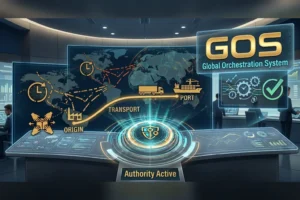
Closing it is not a bigger dashboard either. It takes one record the purchase order actually travels on, not a copy of it, so load planning, the shipment timeline, and vendor scoring are reading the same live number instead of three stale ones. And it takes one owner accountable when that record stops moving, the same way someone already owns the purchase order on day one.
When origin data flows into every decision view without rekeying, issues surface while there is still time to act on them, not after the goods have left. Digital Optima reports teams catching issues about 48 hours earlier and saving two to three hours per user each week once purchase order data carries through instead of stalling at the top.
So the question is not whether you capture good data at origin. Almost everyone does.
How far does your day-one purchase order actually travel before someone has to key it in again?
References
Digital Optima, reported platform outcomes (issues identified ~48 hours earlier; 2–3 hours saved per user per week), as published on digitaloptima.com. https://digitaloptima.com/
Resolve, “13 Invoice Processing Stats: Manual vs. Automation,” citing IOFM benchmark data on average manual data entry error rates. https://resolvepay.com/blog/13-statistics-that-quantify-cost-per-invoice-in-manual-vs-automated-flows
Wyciślak, S., Real-Time Visibility in Supply Chain Management, Routledge, 2024. https://www.routledge.com/Real-Time-Visibility-in-Supply-Chain-Management-Theories-Technologies-and-Tensions/Wycislak/p/book/9781032524832